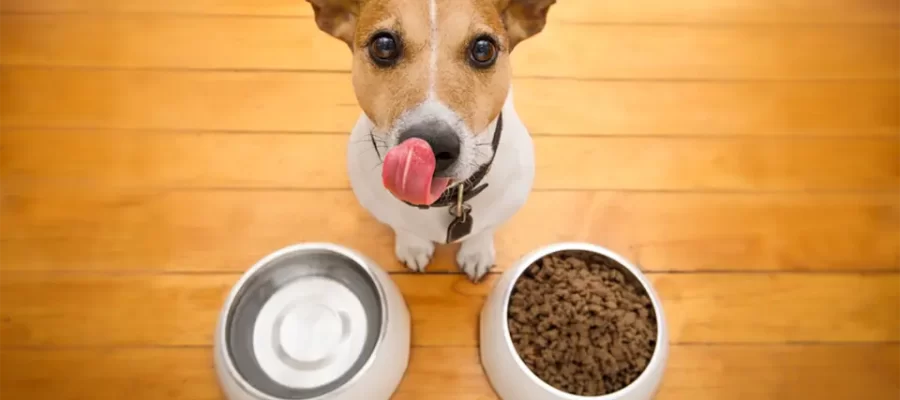
Depending on who you ask, food allergies in dogs can be seen as either common or rare. The flea allergy is the most frequent, while atopy (or hay fever) ranks second, and food allergy comes in as the third most frequent.
The occurrence is believed to be between 1 and 10% of all dogs. Nonetheless, diagnosing it is tricky and can be made harder by other allergies, like flea allergy, atopy (which is an allergy to inhaled pollen, etc.) or even contact allergy.
There are certain human foods that can be harmful to dogs, causing your dog to get sick with vomiting and diarrhea or even worse, but a food allergy is completely different. An allergy is an extreme response of the immune system.
Canine food allergies
Antibodies are specialized cells of the immune system that protect the body from foreign invaders such as viruses and bacteria. If these cells become overprotective, they may misrecognize harmless substances such as proteins in your dog’s food and go on the attack.
Leer mas How to Train Your Dog – Animal Kingdom
The increased response to these substances, called allergens, leads to the allergic symptoms the dog suffers from. Those dogs that are allergic to food react to one or more ingredients in the diet.
The culprit is usually a protein such as chicken, beef, milk, corn, wheat or eggs, common protein ingredients in pet foods.
Dogs can react to any protein in foods as long as they are sensitized. Making things even more complicated is the fact that not all ingredients are clearly listed on the pet food label.
Food allergy symptoms
Dogs can theoretically develop allergies to anything, just like their human owners. To develop an allergy, the dog must have been exposed in the past. This causes or sensitizes the body’s immune system to overreact.
Leer mas How to Avoid Losing Your Puppy: Proper Pet Identification
In other words, a dog that has never been exposed to chicken will not suffer a reaction upon first contact, but may develop an allergic response with subsequent exposure. The typical food-allergic dog is two years old or older and suffers from intense itching year-round.
Food allergy in dogs rarely leads to vomiting or diarrhea. There may be an increased risk in West Highland White Terriers, Miniature Schnauzers, Golden Retrievers and Shar Pei dogs. Keep in mind that any dog can develop the condition at any age, even puppies as young as six months old.
Treatment of food allergies
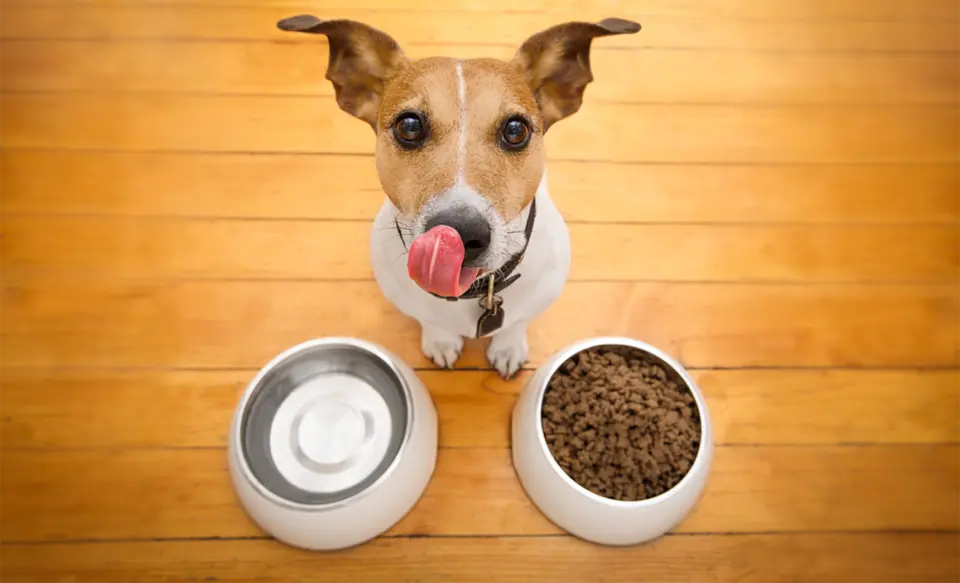
As with other allergies, avoiding the allergen – the food ingredient(s) – improves symptoms. A 10- to 12-week veterinary-supervised elimination diet diagnoses food allergy and identifies the culprits.
Leer mas American Eskimo (Eskie): characteristics of the dog breed
The dog is fed a special diet that contains unique protein sources that the dog has never eaten and should therefore not be allergic to. Typically, this limited allergy diet contains a single protein and unique carbohydrates, such as rabbit and potatoes, or venison and rice, that your puppy has never eaten.
By feeding only these unique ingredients, to which the puppy must not have been previously sensitized, any signs of food allergy should disappear. Reversing the signs also helps diagnose the condition.
Once the dog is no longer itching, ingredients from his original diet are added to the diet one at a time to see which ones cause the symptoms to return. Once you’ve identified the culprits, simply feed your dog a diet without that ingredient.
Hypoallergenic diets
The term «hypoallergenic diet» means it minimizes allergic reactions, and since every dog is different, there is no one-size-fits-all hypoallergenic diet.
Leer mas Boston Terrier: characteristics of the dog breed
The Animal and Human Food Regulatory Institute says diets labeled to control allergies can only be prescribed and dispensed by veterinarians, and there are several therapeutic foods on the market designed for this purpose.
Naturally, some owners are reluctant to subject their pet to the tedious diagnostic process of an elimination diet that may not even identify the problem.
Because the process of eliminating food can be costly, as soon as signs of discomfort disappear, owners choose to keep the dog eating that food. It is important to discuss your options with your vet.
Therapeutic diets prescribed by veterinarians are generally more expensive and this may also be a factor. Some food-allergic dogs do well when fed commercial diets of lamb and rice, as long as they have not previously eaten these ingredients.
Just remember that lamb and rice diets often contain other ingredients, which could still cause your dog to react. And over time, dogs can become allergic to every single ingredient.
Allergies cannot be cured, but they can be managed if the cause of the signs can be identified. There can be many causes of itchy skin and vomiting, and only a veterinarian can diagnose dog allergies.
Identifying the allergen and treating the signs should be a joint venture between you and your veterinarian to best serve your dog’s health.
latest posts published

Belgian Malinois: characteristics of the dog breed

Norwegian Buhund: characteristics of the dog breed
Caring for the Chinese Water Dragon

The best brushes for cats

How to choose the best chew toys and treats for your dog

How to train your puppy to walk on a leash

Czech Terrier (Cesky Terrier): characteristics of the dog breed

Pembroke Welsh Corgi: characteristics of the dog breed

The best bags for carrying cats