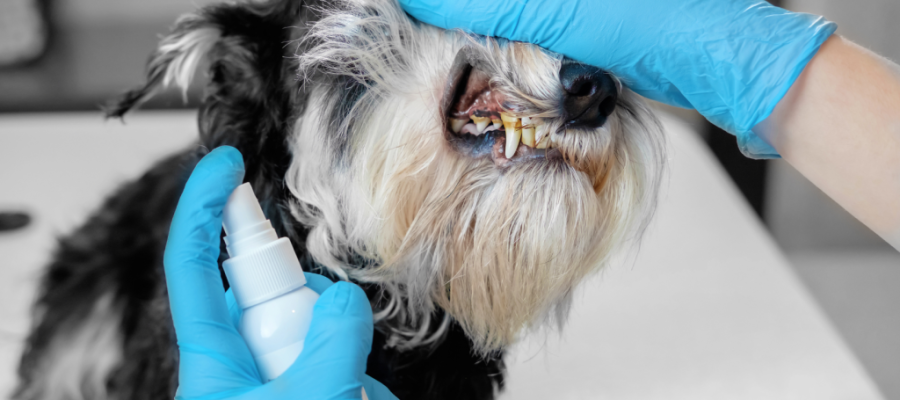
A healthy adult dog has 42 teeth, 22 of which should be in the upper jaw and 20 in the lower jaw. Since ancient times, it was believed that dog teeth are very strong and do not deteriorate, but in modern veterinary medicine this has become a myth.
Dogs, like their owners, are increasingly exposed to dental, gum and oral diseases and injuries. The accumulation of plaque and the formation of tartar on the teeth damage not only the teeth themselves but also the gums, causing inflammation.
Oral diseases and tooth damage can interfere with your pet’s comfort and good nutrition, so cleaning and hygiene of dogs’ teeth is essential in modern veterinary medicine.
Why is it necessary to clean dogs’ teeth?
Dog owners often only bother cleaning their dog’s teeth when their pet’s diet worsens and they notice bad breath or a bad odor coming from their mouth. However, by then it is already too late and the plaque on the dog’s teeth has already advanced and the teeth themselves are decayed.
Leer mas Cat Lifespan: How long do indoor cats and kittens live?
Tartar on dogs’ teeth can cause dental and gum disease. These conditions cause a lot of pain and discomfort to your pet: your dog may become lethargic, angry and may refuse to eat or play. Poor nutrition can damage the functioning of internal organs.
Although some dog owners still believe that unpleasant odors coming from the mouth are natural, this is not true. Bad breath in dogs is usually caused by plaque buildup on the crown and neck of the teeth or problems with the digestive tract, so it should not be ignored.
Brushing your dog’s teeth at home and having the tartar removed at the veterinary clinic can ensure your dog’s healthy teeth and gums.
How is dog teeth cleaning performed in the clinic?
To prevent gum disease and dental problems in dogs, ask your veterinarian to evaluate your pet’s teeth and mouth every time you visit the veterinary clinic. This will make it easier to assess the rate of plaque formation and plan to clean your dog’s teeth at home and in the clinic with special equipment.
Leer mas Dog neutering and sterilization
Cleaning your dog’s teeth is also known as dental hygiene. This procedure not only ensures the health of your teeth and gums, but also cures them.
Dental plaque cleaning for dogs in a veterinary clinic is performed under general anesthesia. Anesthesia is used to protect the animal’s psyche and ensure the safety of the procedure. During anesthesia the animal does not feel pain when removing tartar, which helps to evaluate not only the external state of the teeth, but also the degree of caries and gingivitis (inflammation of the gums).
Before cleaning teeth under anesthesia, it is very important not to feed dogs for at least 12 hours before the procedure, and it is always advisable to have blood tests done at the veterinary clinic before the procedure. to ensure the general health of the animal.
In the veterinary clinic, tartar is removed from dogs’ teeth using an ultrasonic device called a scaler. Tartar is removed not only from the crown of the tooth, but also from the body of the tooth, which is hidden under the gums. During the removal of tartar, all other dental anomalies are also evaluated and corrected: cavities, chipping, damage to the enamel and root canals.
Leer mas intelligent and loyal guardians of the family
Since plaque and tartar in dogs are often hidden under the gums on the neck of the tooth, it is not recommended to clean teeth without anesthesia for dogs. The sound made by the ultrasonic device can scare dogs, and cleaning a dog’s teeth without anesthesia can traumatize the dog both physically and emotionally. Cleaning dental plaque without anesthesia does not protect teeth from periodontitis and other oral diseases.
Dental care for dogs at home
After removing tartar from dogs’ teeth, veterinary dentists often recommend using special products at home to extend the interval between dental cleaning procedures. A wide variety of dog teeth cleaning products are available, so owners can consult a specialist to choose the ones best suited to their pet’s size and lifestyle:
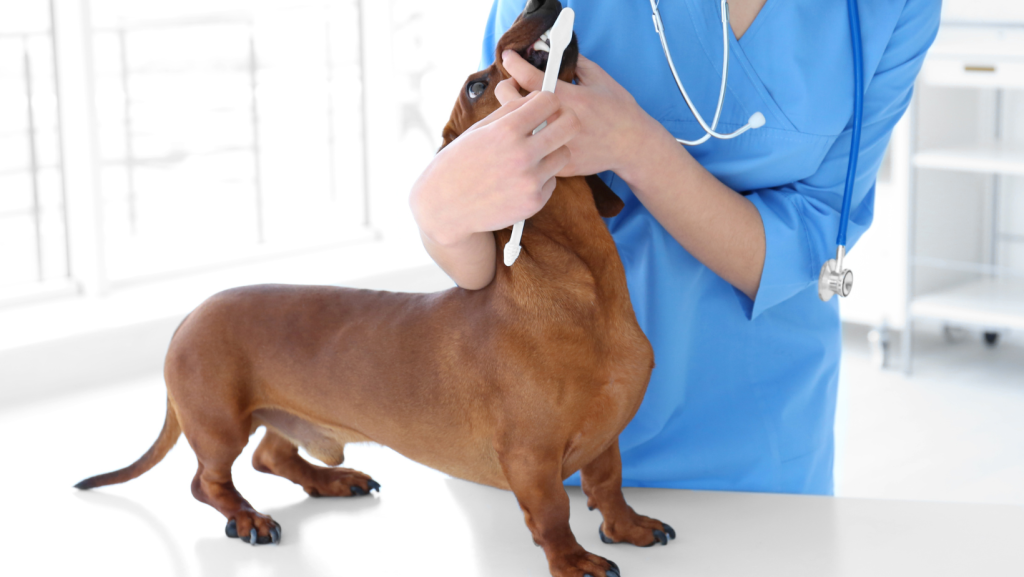
- Dog toothpaste and toothbrush. Dog toothpaste comes in a wide variety of flavors, so dogs often can’t resist brushing their teeth. Veterinary dentists recommend choosing special, very soft and small toothbrushes to ensure thorough cleaning and minimal damage to the gums.
- Teeth cleaning wipes. If your dog’s mouth isn’t particularly large or his teeth aren’t perfectly aligned, dental wipes are a great option. They work by reducing the growth of harmful bacteria on tooth enamel.
- Liquid to prevent the accumulation of plaque on dogs’ teeth. A special liquid can be added to the water. These types of products also reduce the growth of harmful bacteria on tooth enamel.
- Tooth gel. This type of dental hygiene product is often the most convenient for owners, as it only needs to be applied to the teeth without brushing.
- Special chews. Veterinarians recommend using special chews to prevent tartar buildup in dogs, as they help to naturally remove existing tartar and prevent new tartar from forming.
Tooth loss in dogs
Puppies’ teeth change when they reach 3-6 months of age, so tooth loss is a completely natural process. If you notice that your adult dog is losing teeth, consult a veterinary dentist immediately.
Tooth loss in adult dogs is often associated with two causes: mechanical damage to the teeth or periodontal disease. If your adult dog loses teeth, you need to consult a veterinarian who will not only determine the cause of the tooth loss, but also remove the damaged teeth.
Leer mas Feline rhinotracheitis (flu): symptoms and treatment
If you notice that your young pet (9-12 months) has two rows of teeth, consult your veterinarian. In many cases, if a dog’s permanent teeth have grown in but baby teeth remain, the baby teeth must be surgically removed. Failure to extract baby teeth in a timely manner can cause uneven growth of permanent teeth and complicate dental care and your dog’s future quality of life.
How much does it cost to clean a dog’s teeth?
The cost of cleaning a dog’s teeth is calculated individually based on the needs of each dog and its owner. The cost of cleaning dogs’ teeth at the Begemotas veterinary clinic varies from 30 to 60 euros, depending on the procedure and the drugs used during and after it. The cost of teeth cleaning for dogs can vary depending on the amount of plaque, the level of gum damage, and the extent of damage to the teeth themselves.
All additional procedures (root canal treatment, restoration of broken teeth, treatment of edentulous damage, number of teeth to be extracted, etc.) are charged separately. The cost of teeth cleaning for dogs can also vary depending on the procedures performed during the teeth cleaning, such as blood tests and inhalation anesthesia.
How to register for dog oral cavity procedures?
Begemotas Veterinary Medicine Center offers various oral cavity treatment and dental procedures. Veterinary dentistry and stomatology services include the diagnosis, treatment and prevention of dental diseases and problems. At Begemotas Veterinary Clinic, veterinary dentists perform the following procedures:
- Professional dental plaque removal and hygiene for dogs
- Therapeutic treatment of the oral cavity
- Aesthetic filling to restore broken teeth
- Extraction of baby teeth and permanent teeth in dogs
- Teeth shortening for rodents
- Endodontic treatment of the root canal
- Bite correction
- Plastic surgery of the jaw and fracture surgery
We invite you to register at our clinic by contacting our team.
latest posts published

Belgian Malinois: characteristics of the dog breed

Norwegian Buhund: characteristics of the dog breed
Caring for the Chinese Water Dragon

The best brushes for cats

How to choose the best chew toys and treats for your dog
How to train your puppy to walk on a leash

Czech Terrier (Cesky Terrier): characteristics of the dog breed

Pembroke Welsh Corgi: characteristics of the dog breed

The best bags for carrying cats