

Dog urinary incontinence can be a frustrating and challenging problem for pet owners. While it may seem like a minor inconvenience, untreated incontinence can cause discomfort and even serious complications for your dog.
If your dog is incontinent, it may be worth considering what the causes, symptoms and treatment options are for canine incontinence to better understand and manage this common condition.
Why doesn’t my dog hold his urine?
If your dog is incontinent, here are some reasons:
- Hormonal imbalance. Hormonal changes, such as those associated with a dog’s incontinence after neutering, as bladder control may be reduced after the procedure. The dog begins to urinate frequently, involuntarily and uncontrollably (e.g. while sleeping). Meanwhile, the dog often urinates in small quantities due to prostate diseases, which can be treated by neutering the animal.
- Urinary tract infections. Urinary tract infections can cause inflammation and irritation that can lead to involuntary leakage, painful urination, and discolored urine. In the event of infection, a previously healthy and physically strong dog may become incontinent.
- Neurological problems. Damage to the nerves that control the bladder can cause incontinence in a dog. In case of nerve damage, the dog urinates often, the amount of urine changes, the dog does not hold urine or holds it for too long – it cannot urinate.
- Age-related urinary incontinence in dogs develops due to muscle weakness. An older dog may suffer from incontinence due to weakened bladder muscles (sphincters), making it more difficult for them to control urination.
How to recognize urinary incontinence in a dog?
If your dog is incontinent, you as the owner should notice the following symptoms:
Leer mas Dog epilepsy and what to do during an epileptic seizure
- Dripping or leaking urine during sleep or rest
- Excessive licking of the genital area
- Frequent urination-related accidents at home
- The smell of urine on fur, when lying down, on the carpet or on bedding
If you notice any of these symptoms in your dog, it is important to see your veterinarian for a proper diagnosis and treatment plan.
What to do and how to help if the dog is incontinent?
If the dog is incontinent, treatment depends on the underlying cause of the disease. Some common treatment options include:
- Hormone replacement therapy: In dogs with hormonal imbalances, replacing missing hormones can help improve bladder control. This type of therapy should help combat urinary incontinence in a dog after neutering. Hormone therapy can also be used in case of prostate diseases, which lead the dog to urinate often, but the benefits and harms of hormone therapy for the body must always be evaluated.
- Antibiotics and anti-inflammatory drugs: If the incontinence is caused by a urinary tract infection, antibiotics can help clear the infection and reduce symptoms. This type of treatment is prescribed only after identifying all the necessary examinations and inflammation of the dog’s bladder – cystitis, urethritis or other infectious diseases of the urinary system.
- Other medicines: In modern veterinary medicine, there are several medications that can help strengthen bladder muscles and control involuntary leakage. Medicines help to combat if the dog urinates often, if the dog is old and does not hold urine, but several preparations of this type help to combat the fact that the dog does not urinate in the house.
- Surgery: in some cases, surgery may be necessary to address the underlying structural problems causing the incontinence.
With any treatment, it is crucial to work closely with your veterinarian to determine the best course of treatment for your dog’s incontinence. With proper care, many incontinent dogs can live happy, healthy, quality lives.
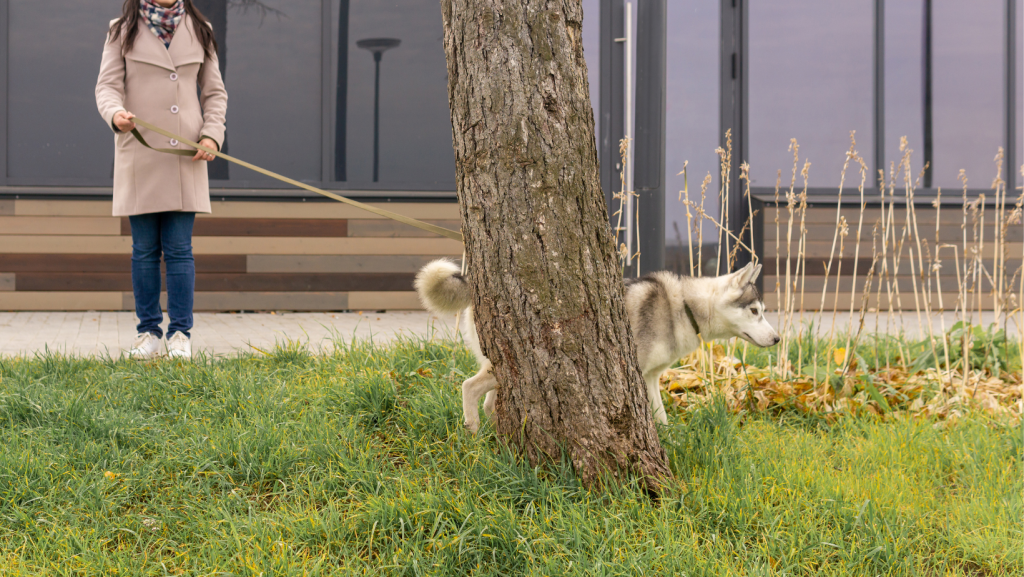
Why does the dog urinate often?
Frequent urination in dogs can be a common problem that owners may notice in their pets. It can be caused by various factors such as health conditions, diet, or even behavioral problems. If your dog urinates frequently and definitely does so more than usual, it’s important to pay attention to other symptoms and consult your vet to determine the underlying cause.
Leer mas Why does the dog eat? – Hippopotamus
Urinary tract infection
One of the most common medical problems that can cause a dog to urinate frequently is a urinary tract infection. A urinary tract infection (inflammation of the dog’s bladder) is caused by bacteria entering the urinary tract and can cause symptoms such as increased urination, urgency, and discomfort when urinating. Other medical conditions that can cause a dog to urinate frequently include canine diabetes, kidney disease, and bladder stones.
Dog nutrition
Specialists at the Begemoto Veterinary Clinic note that, in addition to medical conditions, a dog’s diet can also influence frequent urination in dogs. A dog may urinate frequently if he eats a diet high in salt or protein. During such a diet, the dog may drink more water and subsequently urinate more often. It is the responsibility of the responsible owner to ensure that the dog receives a balanced diet that meets its nutritional needs and does not cause excessive thirst.
Anxiety, stress or agitation
Behavioral problems can also contribute to a dog’s frequent urination. Some dogs may urinate more often due to anxiety, stress or excitement. If your dog urinates too often, too much, or urinates inappropriately, it’s important to rule out any underlying health problems and address behavioral issues with the help of a professional trainer or behaviorist.
Oncological diseases
Although less common, oncological diseases can also be the cause of blood in your dog’s urine. Urinary tract tumors can cause bleeding, as well as other symptoms such as frequent or difficult urination in your dog.
Leer mas How animals help fight loneliness
Veterinarians point out that frequent urination in dogs can also be a sign of a more serious underlying problem, so it’s important to monitor your dog’s behavior and consult your vet if you notice any changes in his urination habits. With proper diagnosis and treatment, you can help your dog feel more comfortable and have a better quality of life.
What to do to prevent your dog from urinating in the house?
One of the best ways to stop your dog from urinating in the house is to properly learn and understand the root cause of the behavior. Here are some tips and strategies to help you avoid dog pee in your home:
1. Create a routine. Dogs love routine, so it’s important to take him out regularly, especially after eating, playing and sleeping. This will help them develop a consistent toileting schedule.
2. Use positive reinforcement. When your dog goes to the bathroom outside, praise and reward him with treats or verbal praise. This will help reinforce good behavior and encourage the dog not to urinate indoors, but to continue urinating only outside.
Leer mas What hedgehogs eat: the definitive guide to their nutrition
3. Clean up incidents immediately. If your dog has had an accident in the house, it’s important to clean it immediately to remove any lingering odors and minimize the chance of odors being absorbed, which can lead to repeatedly urinating in the same spot. If it is not possible to do so immediately, we recommend purchasing urine odor-eliminating detergents from a veterinary clinic or pharmacy.
4. Restrict access to certain areas. If your dog doesn’t urinate anywhere in the house, but has a certain spot in the house where he tends to pee, try limiting his access to that spot until he develops better hygiene habits.
5. Consult a vet. If you have tried various training methods and are still having trouble stopping your dog from urinating in the house, it may be worth consulting a veterinarian. It is the dog’s healthcare providers who can rule out any underlying medical problems that could be causing the dog’s misbehavior.
Why go to a veterinary clinic?
In conclusion, incontinence and frequent urination is a common and treatable condition that can significantly affect your dog’s quality of life. By understanding the causes, symptoms, and treatment options for dog incontinence or frequent urination, you can help your furry friend live a comfortable and happy life.
The specialists of the Begemoto veterinary clinic will examine, consult, carry out all the necessary tests in a targeted manner and prescribe the best treatment plan for your four-legged family member. The veterinarian will not only take care of your pet, but will also answer all your questions regarding treatment and care. If you, as an owner, have questions about your pet’s health, we invite you to answer them together during the examination and consultation.
latest posts published

Belgian Malinois: characteristics of the dog breed

Norwegian Buhund: characteristics of the dog breed

Caring for the Chinese Water Dragon

The best brushes for cats

How to choose the best chew toys and treats for your dog

How to train your puppy to walk on a leash

Czech Terrier (Cesky Terrier): characteristics of the dog breed

Pembroke Welsh Corgi: characteristics of the dog breed

The best bags for carrying cats
