All cat owners want to raise a healthy, well-nourished pet. However, proper nutrition for cats, as well as dogs, is a real headache for owners. Cat nutrition is a rather difficult topic, as cats can be very picky about both food products and the form of food.
Cat nutrition in veterinary medicine is divided into different categories based on the type of food:
- Feeding the cat with dry food
- Feeding the cat with wet food
- RAW nutrition for cats – nutrition for cats with raw meat
- BARF cat nutrition – cat nutrition with raw meat, fruits, vegetables and berries
Regardless of the diet you choose for your cat, it is very important to maintain the daily food ration so that your pet receives all the nutrients it needs in the right quantities. It is very important to maintain a balance between your cat’s eating habits, physical activity and age.
Once you have chosen the most suitable diet for your cat, it is very important to remember to provide it with the right amount of clean water.
Leer mas Cat worms and their symptoms: why is regular prevention necessary?
Feeding the cat with dry food
When choosing dry food for your cat it is very important to carefully analyze the composition of the food. Most cat food should consist of meat or fish. The higher the percentage of meat in the food, the higher the quality of the food.
The meat and/or fish contained in cat food are a source of protein. It is also important to remember the source of carbohydrates: grains, vegetables and fiber. They are also very important in the cat’s diet. Super Premium cat food contains at least 50% meat/fish and additives.
How to choose dry food for your cat?
When choosing dry food for your cat it is very important to consider its age. Dry cat food is divided into foods for kittens (up to 12 months), adults (1-7 years) and seniors (8+ years).
This is important when choosing food because the nutritional content and calorie count of food for cats of different age groups varies, as do the different stages of a cat’s life.
Leer mas Dog fleas: how to recognize them and eliminate them effectively?
If possible, we recommend super premium dry cat food.
What is the difference between dry food for adult cats and sterilized cats?
We are also often asked how dry food for adult cats differs from food for spayed/neutered cats. This food is intended only for adult cats aged 1 year or older. This type of food helps to ensure good urinary tract health thanks to its balanced mineral content.
This type of cat food is also often enriched with L-carnitine, which helps maintain optimal weight and strengthens the immune system.
When should I start giving dry food to my kitten?
Veterinarians recommend introducing dry food into the cat’s diet around six to eight weeks of age, choosing food suitable for kittens.
Leer masCat worms and their symptoms
Veterinary clinics often offer a wide selection of dry cat food. This is because almost all therapeutic foods are formulated specifically for cats with kidney, liver, pancreatic, intestinal or other diseases.
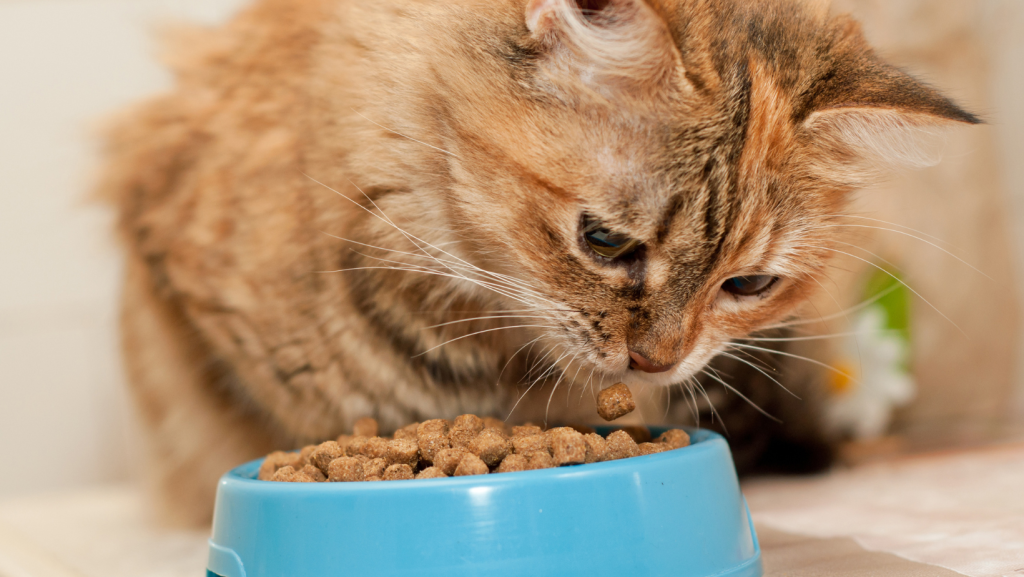
Feed cats wet food
Wet cat food replaces treats or one of the meals in their diet. Many cat owners choose not to feed dry food in the morning or evening, but to feed wet food instead. Canned food and pates are considered wet cat food.
However, we often hear comments that cats are very demanding and choose canned food with pieces of meat or fish or only pâté.
How to choose wet cat food?
When choosing wet food for your cat, it is important to consider the cat’s age, physical activity and health. As with dry food, wet cat food is also divided into age groups and whether the cat is neutered/spayed.
Leer mas American Staffordshire Terrier: what you need to know
Veterinarians recommend starting to feed cats canned food or pâté from 4-6 weeks of age, choosing foods suitable for such a young age group.
Veterinary clinics often sell therapeutic dry food and therapeutic canned food for cats, but it is often in the form of pate. Therapeutic wet food for cats is prescribed for liver and kidney diseases, diabetes and allergies.
RAW nutrition for cats
A natural diet for cats, also known as the RAW diet, consists of raw meat, fish and their by-products. Cat owners switch to this type of diet when their cats suffer from food allergies or digestive tract diseases.
The RAW diet takes cats back to the times of their ancestors and the wild nature, but this type of diet can be very harmful if it is not prepared and selected by a veterinarian and a RAW diet specialist.
How to feed your cat a RAW diet?
When choosing a RAW diet for your cat, it is important to note that the meat or fish should not be minced. When choosing this type of diet, the ration should consist of approximately: 80% meat or fish, 10% bones and 10% offal (poultry, fish and internal organs of cattle).
Disadvantages of a raw diet for cats
There are two main disadvantages of this cat diet. The first is “meat syndrome” in cats, when their food is deficient in calcium, disrupting the calcium-phosphorus ratio, which interferes with bone development.
The second is spoiled cat food. In many cases, domestic cats do not eat all the food at once, so raw meat or fish with by-products can spoil, and the cat can get poisoned if fed according to the principles of a raw diet.
When choosing a raw diet, veterinarians recommend having your cat spayed or neutered as a preventative measure to ensure the best quality of life for your pet.
BARF food for cats
BARF stands for biologically appropriate raw food.
Cats are carnivorous predators by nature, but even predators living in the wild tend to diversify their diet with grass and berries. Even after catching prey, cats begin to eat it from the belly area, which often contains regurgitated grass and other vegetation.
Benefits of BARF nutrition
Feeding your cat according to the BARF principle guarantees not only the right amount of proteins, but also carbohydrates, immune system supplements and antioxidants. Berries, fruits and leafy vegetables in the BARF diet ensure adequate amounts of vitamins B and C in the diet and provide iron to the cat’s body. Non-meat or fish products in the BARF diet help maintain the balance between acidity and alkalinity.
When choosing a BARF diet for your cat, you should consider factors such as age, weight, gender, breed, health status, activity level and previous illnesses. Ideally, it is important to discuss this type of diet with qualified specialists.
When choosing a raw food diet (RAW or BARF), veterinarians recommend having your cat neutered as a preventative measure to ensure maximum quality of life and best nutrient absorption.
What should not be given to cats?
- Alcohol
- Avocado
- Raisins and grapes
- Chocolate
- Caffeine
- Sugar and xylitol
- Salt
- Yeast
- Coconut
- Macadamia nuts
- Citrus fruits
- Garlic and onions
- Whole dairy products
- Bone
Where can I go if I want advice on my cat’s diet?
Begemotas Veterinary Clinic in Vilnius is always open to responsible pet owners. Our veterinarians are ready to answer any questions pet owners may have about cat nutrition at different stages of life.
At the Begemotas Veterinary Medical Center you will not only be able to consult a vet, but also choose and purchase the most suitable food for your beloved four-legged family member.
Our clinic uses all the most innovative and modern methods of poisoning treatment to ensure the easiest and fastest possible recovery, depending on the condition of your pet. If you have problems with your pet, you can contact us and arrange a visit at a time that is most convenient for you.
latest posts published

Belgian Malinois: characteristics of the dog breed

Norwegian Buhund: characteristics of the dog breed
Caring for the Chinese Water Dragon

The best brushes for cats

How to choose the best chew toys and treats for your dog

How to train your puppy to walk on a leash

Czech Terrier (Cesky Terrier): characteristics of the dog breed

Pembroke Welsh Corgi: characteristics of the dog breed

The best bags for carrying cats