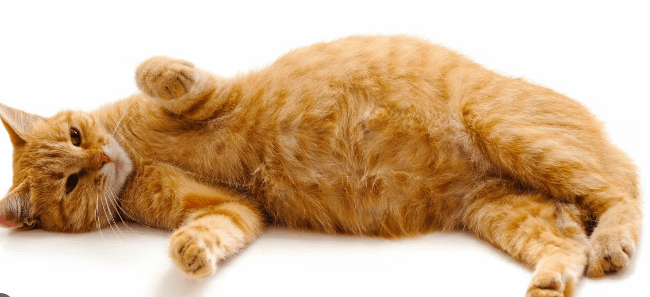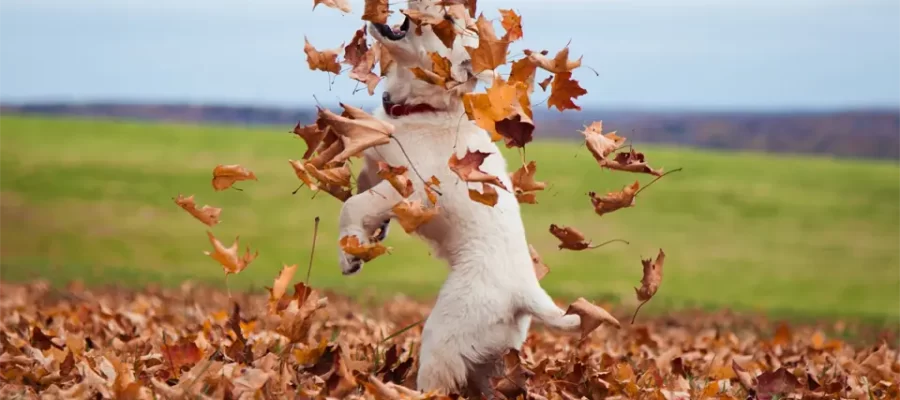
The way a puppy plays is greatly affected by its breed. The level of socialization and age also affect the kind of play. It is logical, as breeds that are more visually oriented respond better to toys that move, whereas «grasping» breeds enjoy tug-of-war and terriers are fond of chasing, catching, and shaking.
Dog play includes exaggerated, very structured actions used in dog communication. This helps them to play, for instance, «fighting», while still preventing mix-ups that might cause actual fights.
How puppies play
Play behavior appears as soon as puppies begin to learn to crawl, around three weeks of age. Puppies of both sexes can exhibit behaviors that mimic sex as early as four weeks of age, adopting mounting positions while playing.
You may also see «kill the prey» behavior, such as hitting and shaking an object. Puppies at this early age practice both roles: dominant dog or begging puppy, so that they learn to communicate with each other.
Leer mas Australian Shepherd (Aussie): characteristics of the dog breed
Extreme temperaments – puppy dominant or extremely shy – expressed in play by puppies are not necessarily reliable predictors of how they will behave in the future. Temperament tests are most accurate when applied to older puppies (several months old).
Socialization game
Social play is interactive. In other words, social play means playing with another puppy, or with the owner, or even with a cat. Examples of such games include fiddling, biting, imitation play, and running away.
Puppies begin social play very early, starting at three weeks of age, biting, pawing and barking. The intensity of the games increases and they become more complex as the puppies mature.
The first gesture of invitation to play that can be observed is the raising of the paw. The play bow – from bottom to top and with the snout on the ground – is the classic invitation to mischief and is used by older puppies and adults, accompanied by barking, leaning over to stick their nose and immediately withdrawing, «hiding» the snout with the paw, or licking.
Leer mas Baby cat: characteristics of the cat breed
This type of play is particularly important for the socialization and behavioral development of the puppy up to 10-12 weeks.
The game with itself
It is believed that personal play, such as chasing one’s tail or biting imaginary objects, can replace social play in the absence of a play partner.
Puppies who go to extremes (constantly flicking their tail or «nipping» trying to bite imaginary insects) should be seen by a veterinarian. These could be signs of obsessive compulsive behavior or symptoms of an impending crisis.
Play locomotive
The locomotive game is simply a game that takes place in motion. This can happen in solo play or include interaction with others. Locomotor play in adult dogs involves a pair or group of dogs.
Leer mas Bulldog: Characteristics of the dog breed | aeinoticia
Small puppies may engage in war games with an invisible opponent, running, jumping and rolling, even if they don’t have the company of another puppy.
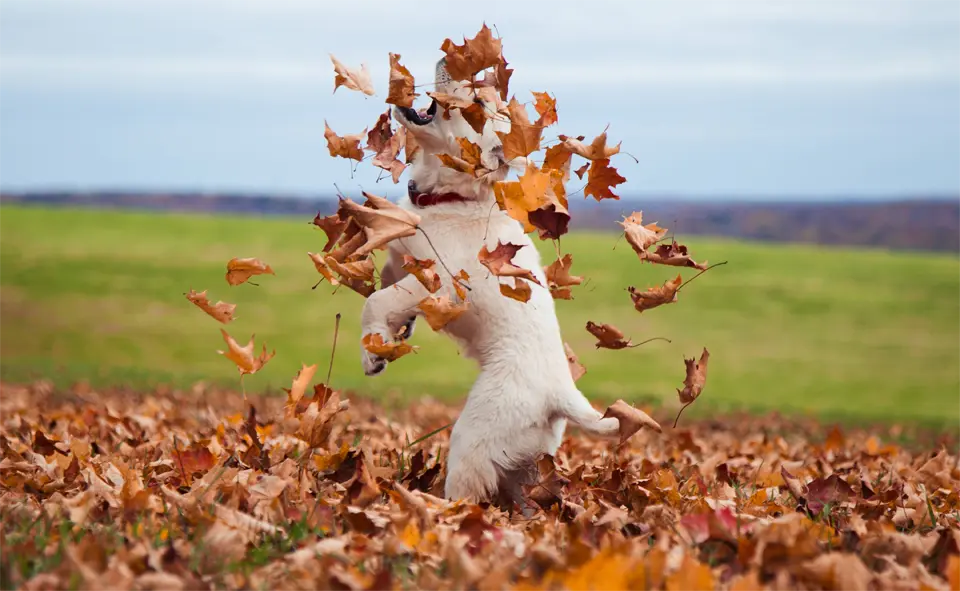
Playing with objects
Object play is the puppy’s interaction with things. Chasing or blocking/catching a ball, cloth or stick are some examples. Some puppies aim for water and love to chase the hose or sprinkler.
play «for fun»
Dogs can «pretend» to be aggressive to invite play and make it clear that they are just pretending, using exaggerated behaviors called metasignals.
Leer mas Crab 7-11 (Spotted reef crab)
For example, the «play bow» is the position in which the puppy sits with its butt in the air and its head at ground level, while its paws dance back and forth to invite play.
When the puppy first adopts this position, «explain» that all the ferocious growls and «battle» growls that follow are just for fun and play.
Adult dogs often pretend to be subordinate to the puppy, making «play bows» and rolling onto their backs – to increase the puppy’s confidence and invite him to play.
These «just kidding» games allow lower-ranking pups (in a group of dogs) to practice leadership behaviors with playful biting, imitating mounting positions, and games of fetch.
When dogs play, it’s common to see role reversals like this, with the dogs taking turns being at the top of the hierarchy.
Dogs also usually vomit toys at your feet – or in front of other pets – to invite you to play. Inhibited biting using the wide open mouth directed at your feet or the paws of other dogs are also common play behaviors.
Play aggressively
Inappropriate play can develop when puppies become too exasperating or one of the playmates becomes overbearing. Normal puppy play involves running and stopping to aim at each other.
Bully puppies are always at the top of the pack and instead of playing leg biting, they bite the other puppy’s head or neck.
Most of the time growling during play is normal, but if it starts to become a very low growl, or when the puppy who is on the ground barks too much, it is a good idea to intervene and stop the play session until he calms down.
When play always seems to end on the defensive, it could be a sign that puppies need to cool down their «engines.» Some sporadic gameplay behaviors such as mounting and landing will not be a problem, but if these become the norm, the game has already «jumped the horse» and become aggressive.
Play is not only fun and wonderful for you and your puppy, but it teaches your puppy important lessons. During play, the puppy understands what is and what is not acceptable behavior, discovers how his body works, and learns how to interact with other animals and the world around him.
Read the following article: Why puppies eat poop
latest posts published

Belgian Malinois: characteristics of the dog breed

Norwegian Buhund: characteristics of the dog breed
Caring for the Chinese Water Dragon
The best brushes for cats
How to choose the best chew toys and treats for your dog
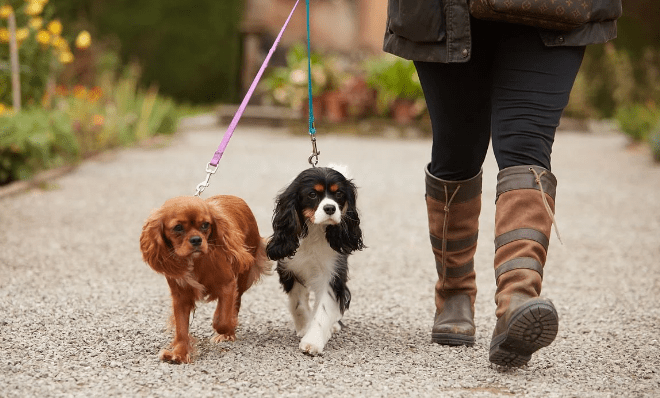
How to train your puppy to walk on a leash

Czech Terrier (Cesky Terrier): characteristics of the dog breed

Pembroke Welsh Corgi: characteristics of the dog breed

The best bags for carrying cats