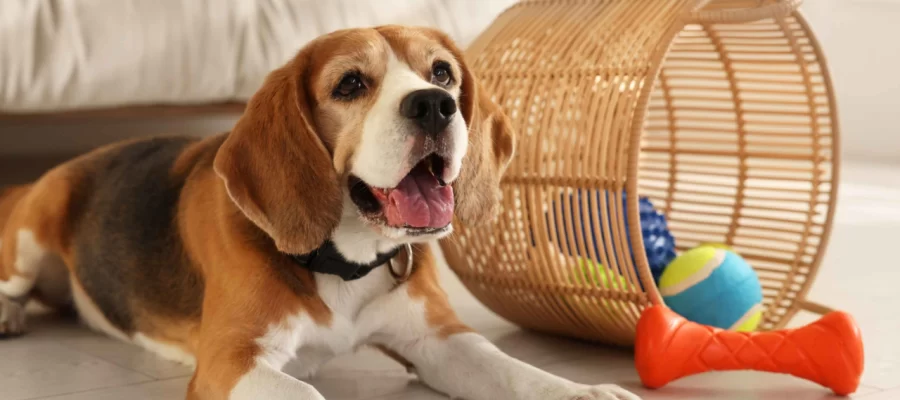
Dog treats It is known that gnawing is one of the favorite activities of dogs. Chewing is a natural behavior for all puppies: it allows them to explore the world around them, strengthen their jaws and even clean their teeth. Most importantly, it stimulates them mentally and relieves their boredom.
However, when dogs don’t have adequate objects to chew, this can lead to destructive chewing and other behavioral problems. Providing a variety of dog chew toys is one way to allow your dog to satisfy his natural desire to gnaw on things. Providing your pup with tasty, edible rewards is another way to satisfy your dog’s need to chew while offering him a delicious snack.
With so many types of chews on the market, it can be difficult to decide which ones are safest and healthiest for your dog. While any dog chew toy carries some risks, some are healthier than others.
It’s always a good idea to supervise your puppy while he chews to make sure he doesn’t swallow broken toy pieces (which can lead to gastrointestinal obstructions) or injure himself (as some chewers can cause broken teeth or other oral injuries).
Leer mas Pembroke Welsh Corgi: characteristics of the dog breed
Rot toys to avoid
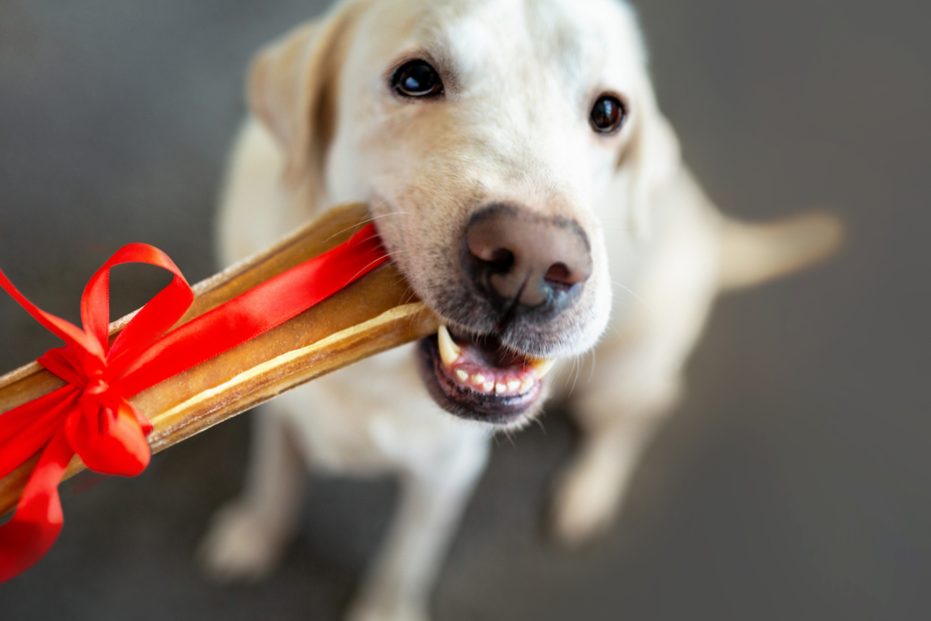
While no spinning toy is 100% safe, some are particularly dangerous.
Non-edible toys made of hard plastic or nylon
As a rule, any inedible toy has a high risk of causing intestinal blockages or at least indigestion. Additionally, grinding can create sharp edges that can cause injury.
Edible rewards are too cool
If you think a gummy treat is too hard for your puppy and he can’t chew small pieces, then it’s really too hard for him to chew. Edible treats that are too hard can cause broken teeth or sores in your puppy’s mouth. As a general rule, any chewy treat that doesn’t crumble when hit on a hard surface is not good for your dog.
Leer mas Czech Terrier (Cesky Terrier): characteristics of the dog breed
Hooves, horns or animal bones
Hard animal parts such as hooves or horns, and especially cooked bones, pose the most significant risk to your puppy’s teeth and gastrointestinal tract because they are very hard and indigestible. If he doesn’t break a tooth first, maybe he can break off a piece and swallow it.
Some animal horns (such as bison or goat horns) soften and flake off little by little as the dog gnaws on them. They may be less dangerous for the teeth and more easily tolerated by the gastrointestinal tract. However, they should be used with extreme caution.
Untanned leather
Toys made from this material are a controversial topic. Although many puppies tolerate this type of reward very well, it is important to know that larger pieces of raw skin, torn and ingested, are not easily digested and can cause gastrointestinal blockages or irritation.
Furthermore, many of them are often treated with potentially harmful chemicals. There are some exceptions, of course. Some types of rawhide toys are specially designed with good digestibility in mind and approved by veterinarians.
Leer mas Kitten development from 6 to 12 weeks
Red, edible rewards
There are many chew treats on the market that can be considered safer for dogs because they are digestible and not too hard on the teeth. It is important to keep in mind that large pieces of chew toys can cause gastrointestinal upset or even blockages.
Always supervise your dog after giving him such a toy. If the dog appears to be swallowing large pieces, remove it. Additionally, if you notice vomiting, diarrhea, or other signs of illness in your dog associated with consuming such treats, consult your veterinarian immediately.
Of course, the upside of edible red rewards is their increased safety. However, their downside is that they don’t last very long and are substantially more expensive than bones or antlers. To save some money, try to balance the choice between edible treats and special rosé toys. Aggressive red puppies will get along well with any gender Kong toy filled with food, dried meat sticks or rosé flavored bars, intended for cleaning teeth.
Bully Sticks: These are some of the most popular chewable treats for dogs. Made from bovine penis (yes, that’s right!), they’re thick, flavorful, and come in a variety of shapes and sizes. Bully sticks are among the safest and longest-lasting chew treats, and dogs love their texture and taste.
Leer mas How to take care of a pregnant cat
For puppies that bark loudly, braided sticks are recommended, as they are more durable. The downside to these treats is the fact that they are quite peppery in price and smell really bad. Furthermore, some experts have raised the question that some sticks of this type may be contaminated with bacteria. Therefore, look for sticks made by well-known and reputable companies. You can also look for versions of bully sticks with a less strong odor to save your sense of smell.
Beef necks: They are mainly made up of cartilage and contain glucosamine and chondroitin, which are beneficial for dog joints. Beef necks last almost as long as bully sticks, but that really depends on the dog. Also, they may cost more than sticks, but they don’t smell as bad.
Other animal parts: These can be good, but it depends on the source. If in doubt, it is best to consult your vet. As a general rule, the safest animal parts are the aorta, tendons, esophagus, belly.
Ears are more controversial, as they are closer to rawhide in terms of digestibility (also, pig ears tend to contain a lot of fat). Some animal horns soften when chewed and break into small digestible pieces, but these should be used with caution.
Flavored chewing gum for teeth: Made with digestible ingredients such as wheat gluten, corn, starch, with meat or meat byproducts. Although edible, these ingredients are not ideal for dogs who must follow a grain-free diet due to allergies or because this is their owners’ choice. Furthermore, they tend to disappear in an instant, especially in dogs suffering from red mania.
What are the best chew treats for your dog?
Keep in mind that there is no one-size-fits-all dog food. For those who are overweight or have a sensitive stomach, non-edible chew toys may be best suited. For healthy but fussy pups, you may need to try different types of chew treats until you find what works best for your dog.
Generally healthy, uncomplicated dogs will likely enjoy a little of each. Just make sure that no single treat makes up more than about 10% of your dog’s diet.
Read also: The best orthopedic mattresses for dogs
latest posts published

Belgian Malinois: characteristics of the dog breed

Norwegian Buhund: characteristics of the dog breed
Caring for the Chinese Water Dragon
The best brushes for cats
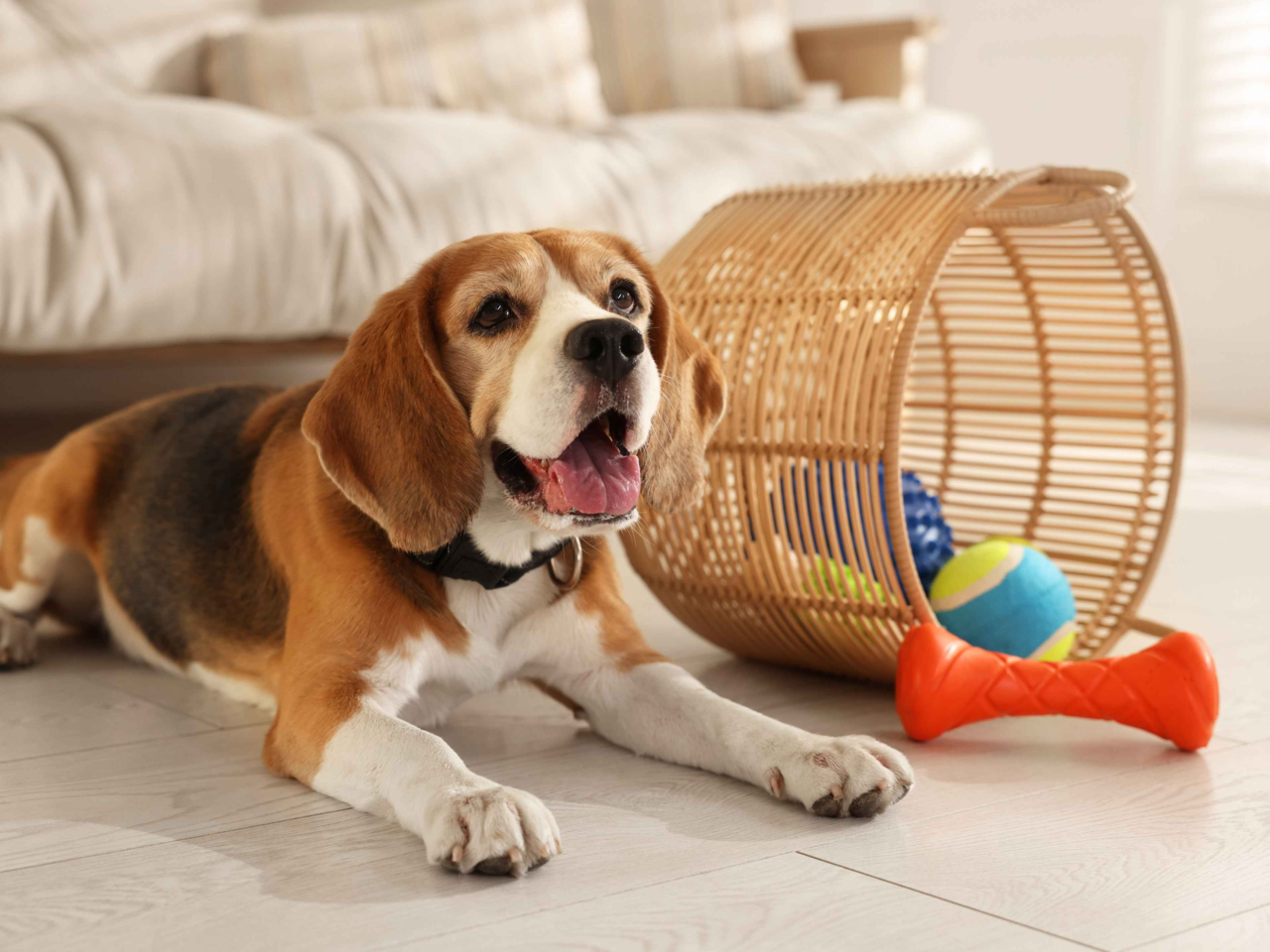
How to choose the best chew toys and treats for your dog

How to train your puppy to walk on a leash

Czech Terrier (Cesky Terrier): characteristics of the dog breed

Pembroke Welsh Corgi: characteristics of the dog breed

The best bags for carrying cats